
Pre-conference Program (PS)
The following streams will run in parallel with the Student Conference from 16:30 on Tuesday 30 June and finishing at 11:45 on Thursday 2 July. Each stream will have seven sessions with evenings free for networking and socialising.
Please sign up for one of the following pre-conference programs. Details of content will follow.
PS_1 : Bioethics
This stream is intended for Christian healthcare practitioners who wish to deepen their understanding of some of the complex ethical challenges of faithful practice in the 21st Century. The aim in this stream is not to address ‘conventional’ bioethical topics but instead to focus on four areas which are rarely discussed, but which are relevant to Christian healthcare practice around the world.
1. Corruption and conflicts of interest in healthcare
2. The impact of current geopolitical and inter-racial conflicts on healthcare
3. Ethical challenges raised by artificial intelligence in healthcare
4. The impact of our patients’ traditional beliefs and practices concerning illness, life and death on our work as Christian practitioners
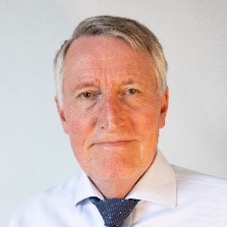
Coordinator
John Wyatt
PS_2: Confident Christianity
Christianity has profoundly shaped the development of healthcare throughout history, inspiring compassion, innovation, and service to the most vulnerable. Rooted in Christ’s call to love the sick and marginalised, early Christians pioneered hospitals, hospices and charitable care, and laid the foundations for modern scientific medicine. This seminar explores how faith transformed healthcare practices globally — integrating ethics, dignity, technology and holistic care into medical service. We will reflect on historical milestones and the contribution of key individuals, and consider how Christian doctors and dentists can continue this legacy today. Together, we aim to inspire a renewed vision for healthcare that embodies both clinical excellence and Christ-centred compassion.
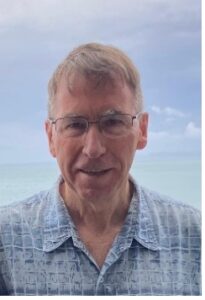
Coordinator
Peter Saunders
Speakers
Pre-Conference Stream Outline
Confident Christianity (CC) is an interactive course in evangelism and apologetics, originally designed by the UK Christian Medical Fellowship (CMF) and later expanded and adapted for ICMDA. Originally launched in English, has now been rolled out across our 14 ICMDA regions and translated into over ten languages.
The course helps trainees understand the non-Christian mindset and share their faith confidently and articulately in the way the Apostles did it – in understandable language, in a safe place and with the opportunity for discussion. It is a programme which once caught can be taught to others. The full curriculum includes modules on the following topics. This pre-conference stream will present a cut-down version:
- Making a worldview diagnosis
- What makes Christianity unique?
- The journey to faith
- Exposing presuppositions
- God’s role and ours in evangelism
- The gospel message
- Apostolic models of sharing it
- Dealing with our fears
- Answering the seven deadly questions
- The best reasons for belief
- Starting with the truth they know
- Avoiding circular arguments
- Dealing with relativism
- The elements of successful evangelism
- The faith decision
- Passing it on to others
Stream Schedule
Session 1 – 30 June (Tue) 1630-1800 (90 minutes)
- Understanding Worldviews
We define a worldview (Weltanschauung) as a person’s foundational perspective on life and reality and explore six key worldview questions concerning God, humanity, truth, morality, meaning, and death. We then introduce four major worldviews—pantheism, polytheism, theism, and atheism—and highlight their mutual exclusivity and cultural prevalence.
- What Makes Christianity Distinct?
We examine the uniqueness of Christian theism, focusing on biblical authority, the divinity of Christ, His bodily resurrection, substitutionary atonement, and salvation by grace. We review scriptural evidence for Jesus’ divine identity and exclusive claims, contrasting Christianity with other religions and worldviews.
- The Journey of Faith
This module emphasizes the necessity of evangelism, asserting all people need the gospel and Jesus’ exclusive salvation through the cross. It introduces the Engle scale to map spiritual awareness, and outlines the evangelism process: cultivating hearts, sowing the Word, harvesting decisions, and multiplying believers within the community.
Session 2 – 1 July (Wed) 0915-1000 (45 minutes)
- Engaging in Faith Conversations
We explore how to initiate spiritual conversations, progressing from superficial to deeply open dialogue and highlight building friendships through shared interests and mutual support. Pre-evangelism strategies focus on understanding, relational trust, and timing, preparing the ground for meaningful discussions about faith and the gospel and casting doubt on a person’s present convictions.
Session 3 – 1 July (Wed) 1030-1300 (150 minutes)
- God’s Sovereignty in Evangelism
This module emphasizes that God controls history, opens opportunities, gives courage, convicts hearts, and brings rebirth. While evangelism requires human instruments, it is ultimately God’s work. Believers are called to act and pray, recognizing their role as partners in His plan rather than trying to control outcomes themselves.
- Sharing the Gospel
We focus on practical gospel presentation using biblical examples from Acts and introduce the ‘God-Man-God’ outline: God as ruler, humanity as rebel, and God’s rescue plan through Christ. Participants practice sharing the gospel, receive feedback, and learn to guide others toward repentance, faith, forgiveness, and the Holy Spirit.
- Apostolic Evangelism and Dialogue
This module emphasizes evangelism through understanding and dialogue. Effective communication involves speaking in the listener’s language, creating a comfortable environment, and allowing discussion. Dialogue helps check understanding, uncover objections, and answer questions. Fear of engagement is addressed by learning to listen, adapt, and respond as Christ-centred ambassadors.
- Overcoming Fear and Difficult Questions
We address common fears in evangelism—losing friends, appearing judgmental, or being unprepared—and introduce the ‘seven deadly questions’ from sceptics and religious objections. Participants will later role-play responses, exploring biblical, ethical, and cultural challenges. The focus is on confident, respectful dialogue that equips believers to answer doubts effectively.
Session 4 – 1 July (Wed) 1400-1600 (120 minutes)
- Reasons for Christian Faith
We explore rational and experiential bases for believing Christianity is true, including design in creation, inner moral awareness, and God’s revelation in Jesus. Using the Apostolic Model—Identify, Confront, Invite —believers are guided to agree where possible, challenge misconceptions, and present Christian truth in a structured, persuasive, and relational way.
- The Process of Persuasion
This module teaches tailored evangelism approaches for different worldviews. Using the ‘Submarine’ model, believers identify points of agreement, confront misunderstandings, and invite toward Christian truth. It emphasizes asking questions, avoiding jargon, highlighting inconsistencies, and presenting the gospel relationally and respectfully to Muslims, Jews, and atheists.
- Circularity and Relativism
We address relativism and circular reasoning in belief systems. Relativism appears attractive but is self-contradictory and unliveable. We examine how to respond to relativistic claims. The circular argument is a trap Christians fall into by appealing to the word of God to prove that Jesus is the son of God and vice versa. We avoid the trap by arguing from historical fact and eyewitness evidence.
Session 5 – 1 July (Wed) 1630-1800 (90 minutes)
- Successful Evangelism
This module teaches how to guide someone who understands the gospel toward faith. Using harvesters’ questions and the ABC approach—Admit need for God, Believe in Christ, Choose obedience—believers facilitate spiritual decisions. It emphasizes relational engagement, assessing spiritual readiness, and helping individuals take practical steps toward repentance and commitment.
- Evidence for the Resurrection
We emphasise that Christianity hinges on Jesus’ resurrection. It examines historical and biblical evidence: His death, the empty tomb, post-resurrection appearances, rapid spread of Christianity, and transformed lives. Sceptical theories are addressed. The resurrection validates prophecy, Jesus’ claims, apostles’ witness, and the truth of Christian faith, offering hope of eternal life.
- Understanding Miracles
We explore the reality and significance of miracles. Miracles demonstrate God’s power, authenticate Jesus’ divinity, and affirm biblical authority. Objections, including natural explanations and lack of personal experience, are addressed. Believers learn that miracles are credible through eyewitness testimony and that science describes, not limits, God’s intervention in the natural world.
Session 6 – 2 July (Thu) 0915-1000 (45 minutes)
- Jesus as the Only Way to God
We explore Christianity’s uniqueness: Jesus’ divinity, the authority of Scripture, and salvation by grace through faith and emphasize that Christ alone provides salvation, and believers must proclaim this truth while recognizing God’s justice.
- Those Who Have Never Heard the Gospel
We address concerns about people who have not encountered Christianity. It teaches that God judges fairly, based on revealed truth, conscience, and creation. Evangelists are called to warn, invite, and share the gospel while trusting God’s justice and mercy.
Session 7 – 2 July (Thu)1030-1300 (150 minutes)
- Can a Good Moral Life Get You to Heaven?
We argue that human goodness is insufficient for salvation. Judgment is real, the standard is perfection, sin is universal, and Jesus alone is sinless. Salvation comes by God’s grace through faith.
- What about suffering?
We address the problem of suffering, exploring physical, mental, and societal causes. A defence of Christianity against this question involves arguing from free will, the Fall, the perspective of faith and seeing suffering in the light of the future. Christians are encouraged to respond with hope, understanding God’s sovereignty, ultimate justice, and the promise of renewal.
- The reliability of the Bible
This module examines doubts about biblical reliability, addressing hearsay, textual transmission, alleged contradictions, and historical accuracy. It highlights eyewitness testimony, manuscript evidence, archaeology, and Jesus’ affirmation of Scripture. Participants learn to respond to scepticism, demonstrating that the Old and New Testaments are trustworthy, authoritative, and historically consistent.
- Isn’t Christian Experience Only Psychological?
This final module explores the psychological objection to faith, distinguishing emotional response from truth. Christianity is grounded in facts—Jesus’ resurrection, Scripture, and transformation of lives—supported by the Holy Spirit. We need to turn the question around, showing that belief is rational, evidence-based, and not merely a product of upbringing, culture, or emotion.
PS_3: Palliative Care
We welcome you to explore and learn how to be God's presence with skilled holistic, compassionate care with those suffering advanced chronic illness and serious health related suffering. The much needed field of palliative care uses a multi professional approach focusing on quality of life and valued based care; promoting dignity, relieving suffering, demonstrating compassion and fighting for justice. We will use case based learning, interactive sessions, shared experiential learning, cultural and contextual focus to increase our clinical skills including a focus on spiritual care and add skills and Christ centred values.
Summary of Palliative Care Stream:
We welcome you to explore and learn how to be God's presence with skilled holistic, compassionate care with those suffering advanced chronic illness and serious health related suffering. The much needed field of palliative care uses a multi professional approach focusing on quality of life and valued based care; promoting dignity, relieving suffering, demonstrating compassion and fighting for justice. We will use case based learning, interactive sessions, shared experiential learning, cultural and contextual focus to increase our clinical skills including a focus on spiritual care and add skills and Christ centred values.
Details of session:
Each stream will have seven sessions with evenings free for networking and socialising.
45min per session: 20min pre-prepared videos then 25min interactive session (case discussion/role play/etc.) One of us will anchor a topic, the rest will co-facilitate and support small group facilitation.
Topic: We will launch our new online palliative care course starting in October 2026 and all participants in this pre-conference stream will be eligible to enroll.
- Scope and reach of palliative care (Dr Mhoira Leng)
- To set the scene we will explore the scope of palliative care, the changing face of palliative care globally, continuing gaps and the extent of the unmet need for compassionate holistic care. We will include neglected groups which are all too often left behind. As we discuss models of care and share what is happening in different parts of the world we will explore the imperative of our Christian calling to care for the broken hearted and bring God’s presence to those suffering and in need with medical skill and compassionate care.
- Communication with skill and compassion (Dr Ann Toh ) -include children
- True, skilled active listening is a vital skill which then allows us to hear and understand the concerns of the patients and families we are called to serve. We will use interactive case based modalities to help us understand and practice compassionate communication with a focus on children.
- Pain assessment and management (Dr Mhoira Leng)
- Failure to provide pain control has been described as torture and a violation of the right t health. We will discuss the neurophysiology and practical assessment skills to then develop a feasible management plan to holistically control pain.
- Principles of symptom control and managing a patient with breathlessness (Dr Sharon Choo)
- Holistic symptom control is a key skill in palliative care and allows us to alleviate unnecessary suffering. Using a case based approach we will explore one concerning symptom, its cause and how to offer holistic assessment and management.
- Care & rehabilitation of the older person (Dr Haniel Passos Eller)
- Too often our elderly do not get the holistic care they need. We will seek to understand multimorbidity and how best to offer assessment, rehabilitation and holistic care with dignity.
- Resilience, self-care & spirituality (Dr Sharon Choo)
- Holistic care includes the vital component of spiritual care. What do we mean by this? How do we teach and practice spiritual care in pluralistic communities? How do we care for patients and our families, engage with suffering, work in teams and still maintain spiritual health and resilient holistic practice? We will explore and share together with a focus on the lessons we learn from scripture and Jesus example to enable us to practice compassion and bring healing and hope.
- Compassionate care in the face of loss (Dr Ann Toh) -making meaning at EOL, dual process model
- Grief and loss are part of living with chronic illness and indeed part of life. How can we understand the process of grief and loss, seek to support those going through such times and recognise when additional support is needed. How can we ‘walk through the valley of the shadow of death’ alongside the presence of God.
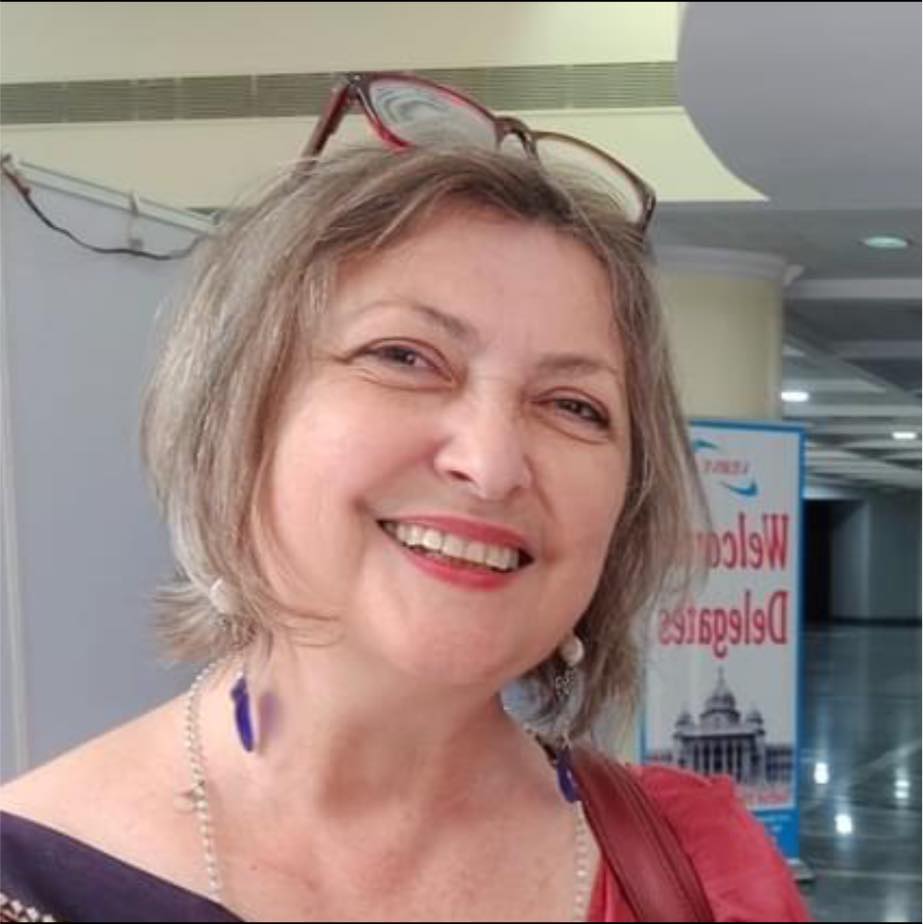
Coordinator
Mhoira Leng
Speakers
PS_4: Global Health & Family Medicine Traning
The practice of Christ-centered training in Medicine and its related specialties is the need of the hour in delivering Christ-centered healthcare across the world. Health professionals are looking for those skills that will help them see their patients, families and communities as a whole and offer care that is beyond just a clinical assessment. This workshop is designed to equip Family Medicine trainers and Healthcare Administrators to become global facilitators for training across the world through the ICMDA platform, which offers two International Blended Learning Courses (Family Medicine & Healthcare Management) in collaboration with Christian Medical College, Vellore, India and Loma Linda University, USA . The workshop offers a glimpse into the DNA of these courses, teaching & learning methodologies, comprehensive consultation processes and mentoring skills in the practice of Family Medicine and Healthcare Management. There will be opportunities for those interested in facilitating in the program, to learn more about the courses and be involved on a global platform. If you are passionate about whole-person healthcare and whole-person education, this faculty development workshop is for you!
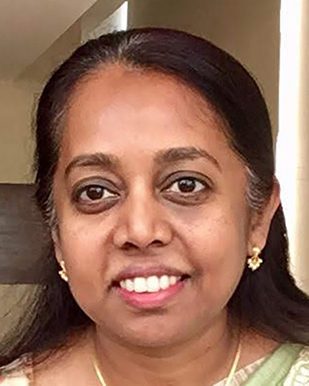
Coordinator
Rebecah Zechariah
PS_5: Health, Healing, and Missions
The Objectives
"The objectives of this workshop are to foster a collaborative and reflective environment, encouraging participants to explore the concept of Mission and healthcare missions together. Throughout the sessions, individuals will not only learn but also examine a variety of models, responses, and inspiring life stories that shape our understanding of mission within health and healing. As the group reflects on these diverse experiences and perspectives, each participant is invited to consider their own personal response—shaped by their national context and the lessons shared. This approach bridges theoretical knowledge with practical, heartfelt engagement, empowering each person to discern their unique role in the broader mission of health and healing."
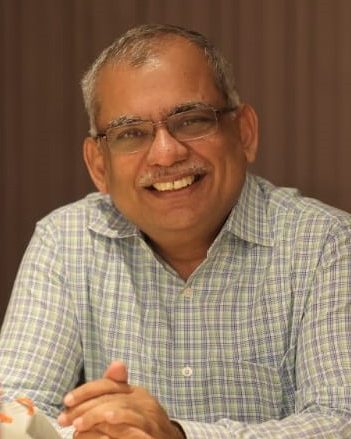
Coordinator
Santhosh Mathew
Speakers
Abel Catro
Abhijit
Berne
Courage
Danel O Neill
JoV

Kenneth

Louisa
Mathew Geroge
Saira
Stream Schedule
| Date | Time | Topic | Speaker |
|---|---|---|---|
| 30th June | 16.30 - 17.00 | Introductions | Santhosh |
| 30th June | 17.00 - 18.00 | Biblical Basis of Missions 1 | Eric Mange and Louisa |
| 1st July | 09.15 - 10.00 | Biblical Basis of Missions 2 | Louisa and Daniel O Neill |
| 1st July | 10.30 - 11.30 | Biblical Basis of Missions 3 | Louisa and Daniel O Neill |
| 1st July | 11.30 - 13.00 | Health Healing and Missions | Mathew and Kenneth |
| 1st July | 14.00 - 15.00 | Perspective of Medical Missions 1 | Berne/JoV |
| 1st July | 15.00 - 16.00 | Perspective of Medical Missions 2 | Berne/JoV |
| 1st July | 16.30 - 18.00 | Health and Development of Nations | Abhijit and Kenneth |
| 2nd July | 9.15 - 10.00 | Theology of work | Santhosh and Saira |
| 2nd July | 10.30 - 11.30 | Vocation and Calling | Courage and Abel |
| 2nd July | 11.30 - 12.30 | Mission a personal response | Mathew and Kenneth |
| 2nd July | 12.30 - 13.00 | Conclusion | All facilitators |
PS_6: Saline Process
The purpose of the Saline Process training is to equip healthcare workers to be witness for Christ in their clinical settings. The Biblically based teaching is relevant to different cultures and healthcare settings and has been taught on 130+ countries in every continent, reaching more than 56,000 Christian healthcare workers. Participants learn eight tools that can be put into practice with their patients and colleagues. After completing the Saline Process, participants should be able to assess a patient's attitude toward Christ and know how to respond appropriately, applying the ethical principles of permission, sensitivity, and respect. Ultimately the Saline Process training prepares healthcare workers to be part of the Lord's work in our world, so our Father in heaven is glorified. (Acts 1:8; Mat 5:13-16; Mat 28:19-20; John 4:39-41).
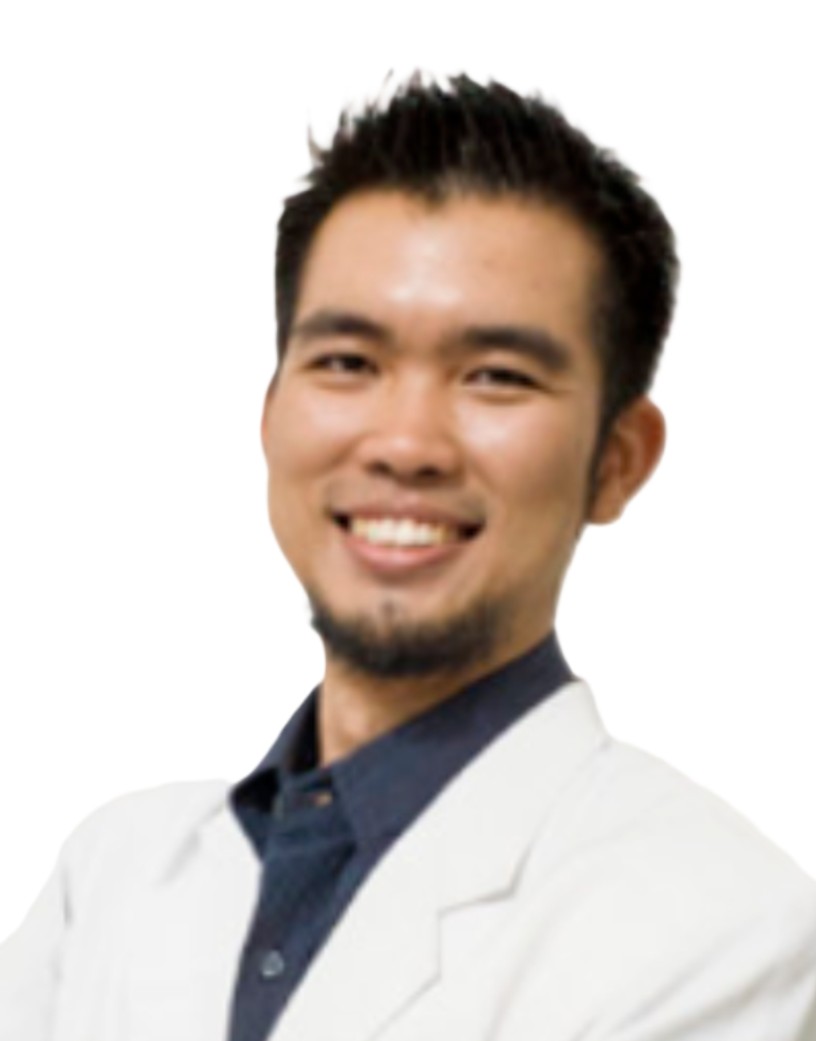
Coordinator
Hedwin Kadrianto
PS_7: Strengthening National Movement
The mission of ICMDA is “to start and strengthen national associations of Christian doctors and dentists.” Achieving this mission depends on healthy, well-led, and mission-focused national movements. This pre-conference stream is designed for national leaders, leadership teams, and emerging leaders who are committed to seeing their associations grow in depth, integrity, and impact. National movements within ICMDA range from small, emerging groups to well-established associations with thousands of members. Despite these differences, all face common challenges: leadership development, governance, sustainability, advocacy, evangelism, and engaging the next generation. Drawing on the LAVERCROSS organisational development framework, this stream will explore ten key areas essential for strong national movements: Leadership, Advocacy, Volunteers, Evangelism, Resources, Corporate Governance, Regional Partnerships, Outreach & Mission, Students & Young Professionals, and Support & Fellowship. Through short keynote inputs, panel discussions, and facilitated small group conversations, participants will reflect on their own contexts, learn from others, and identify practical steps to strengthen their national associations. This interactive stream aims to equip and encourage leaders to build healthy, Christ-centred movements that unite, equip, and send Christian doctors and dentists to live and speak for Jesus Christ in their professional and national contexts.
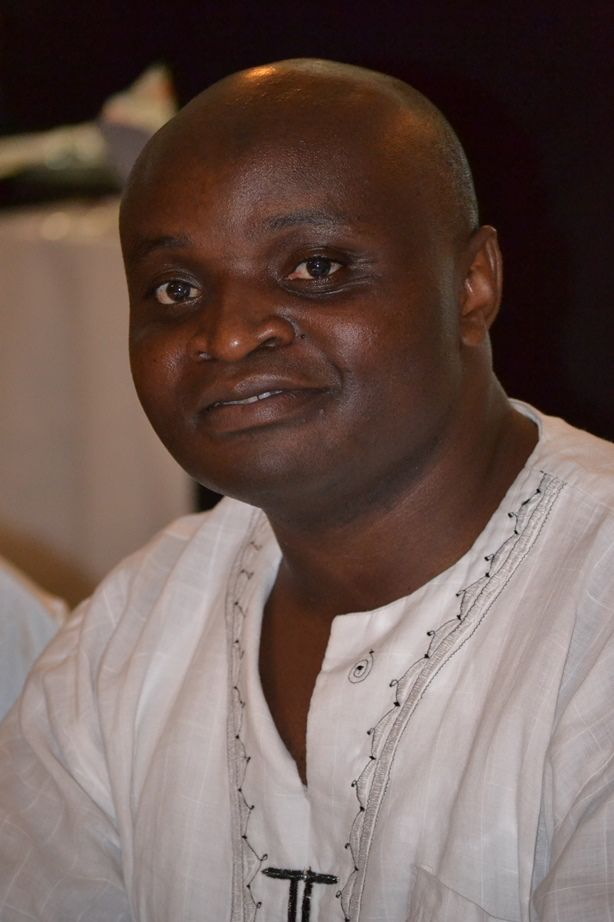
Coordinator
Augustin Lutakwa
Stream Schedule
Day 1(Tuesday, June 30th):
Session 1: 16:30-18:00 (90 minutes)
Session Theme: Leadership Foundations: From Vision to Healthy Teams
Description: explore how clear vision and healthy leadership teams form the foundation of strong national movements. This session will help leaders align mission, structure, and people for long-term impact.
Topic 1: Leadership – Vision to Movement
Clarify identity, calling, and strategic focus of national movements.
Speaker: Peter Saunders
Topic 2: Leadership – Healthy Teams
Shared leadership, succession, avoiding burnout and over-dependence on individuals
Speaker: Mathew Santhosh
Day 2 (Wednesday, 1st July)
Session 2: 9:15-10:00 (45 minutes)
Topic 3: Evangelism in Professional Spaces
Description: How can Christian doctors and dentists live and speak for Christ with integrity in today’s workplaces? This session offers practical, ethical, and culturally sensitive approaches to professional witness
Speaker: Mfanelo Sobekwa
Session 3: 10:30-12:50 (140 minutes)
Session Theme - Building Sustainable Organisations: Resources & Governance
Description: Strong organisations require both spiritual conviction and structural integrity. This extended session addresses financial sustainability, stewardship, and governance systems that protect and strengthen national movements.
Topic 4: Financial sustainability, stewardship, transparency, and faith-informed fundraising
Speaker: Howard lyons
Topic 5: Governance structures that protect mission, leaders, and integrity
Speaker: Alan Gijsbers
Session 4: 14:00-16:10 (130 Minutes)
Session Theme: Mobilising People: Volunteers, Students & Young Professionals
Description: People are the greatest resource of any movement. This session focuses on recruiting, developing, and sustaining volunteers while building strong pipelines from students to emerging leaders.
Topic 6: Recruitment, motivation, training, retention, and care of volunteers
Speaker: Mulinda Nyirenda
Topic 7: Students and Young professionals: Leadership pipelines, mentorship, and generational continuity
Speaker: James Tomlison
Session 5: 16:30-18:00 (90 Minutes)
Session Topic/s- Advocacy & Public Witness
Description: What role should national associations play in addressing ethical, medical, and societal issues? This session explores how to engage in advocacy with wisdom, unity, and a Christ-centred voice.
Topic 8: Advocacy, public witness with wisdom, unity, and ethical clarity.
Speaker: Jeff Barrows
Day 3 (Thursday, 2nd July)
Session 6: 9:15-10:00 (45 Minutes)
Topic 9: - Support & Fellowship: Sustaining Leaders
Description: Healthy movements require more than strategy—they require care. This session reflects on how fellowship, pastoral support, and community sustain leaders over the long term
Speaker: Joseph Nkuranga
Session 7: 10:30-12:50 (140 Minutes)
Session Theme- Mission, Partnerships & Closing Synthesis
Description: This final session brings together mission, outreach, and global collaboration within ICMDA. Participants will also reflect on key learnings from the stream and identify practical next steps for their national contexts.
This session will be about integrating mission and global collaboration, followed by reflection, commitment, and commissioning.
Topic 10: Transformational, sustainable mission beyond events
Description: Participants will be better equipped to:
-
- Understand the difference between event-based and transformational outreach.
- Reflect on the impact and sustainability of current mission initiatives.
- Identify one opportunity to strengthen outreach through partnership or strategic focus.
Speaker: Jim Peipon
Topic 11: Collaboration within ICMDA for mutual strengthening
Description: Regional Partnerships & ICMDA Belonging
Participants will be better equipped to:
-
- Understand the value of regional and global collaboration within ICMDA.
- Reflect on how their national association both benefits from and contributes to the ICMDA family.
- Identify one practical opportunity for cross-national or regional partnership.
- Strategic partnership within nation and other likeminded organisations. E.g Christian alliance for Healthcare in South Africa
Speaker 1: Joseph Nkuranga
Speaker 2: Keith Michael (Christian Healthcare alliance in South Africa)
PS_8: PRIME teaching as Jesus Taught
As Christians in medicine, God has strategically placed us to be experts in promoting health and wholeness in our workplaces and communities. This interactive workshop will include:
- Wholistic approaches to caring for our patients with practical examples from different global contexts.
- Current challenges and opportunities in wholistic healthcare.
- Empirical research supporting Christian wholistic patient care.
- Exploration of different evidence-based teaching techniques to optimise educational impact.
- Interactive small group work to enhance your teaching skills within a supportive and engaging learning environment.
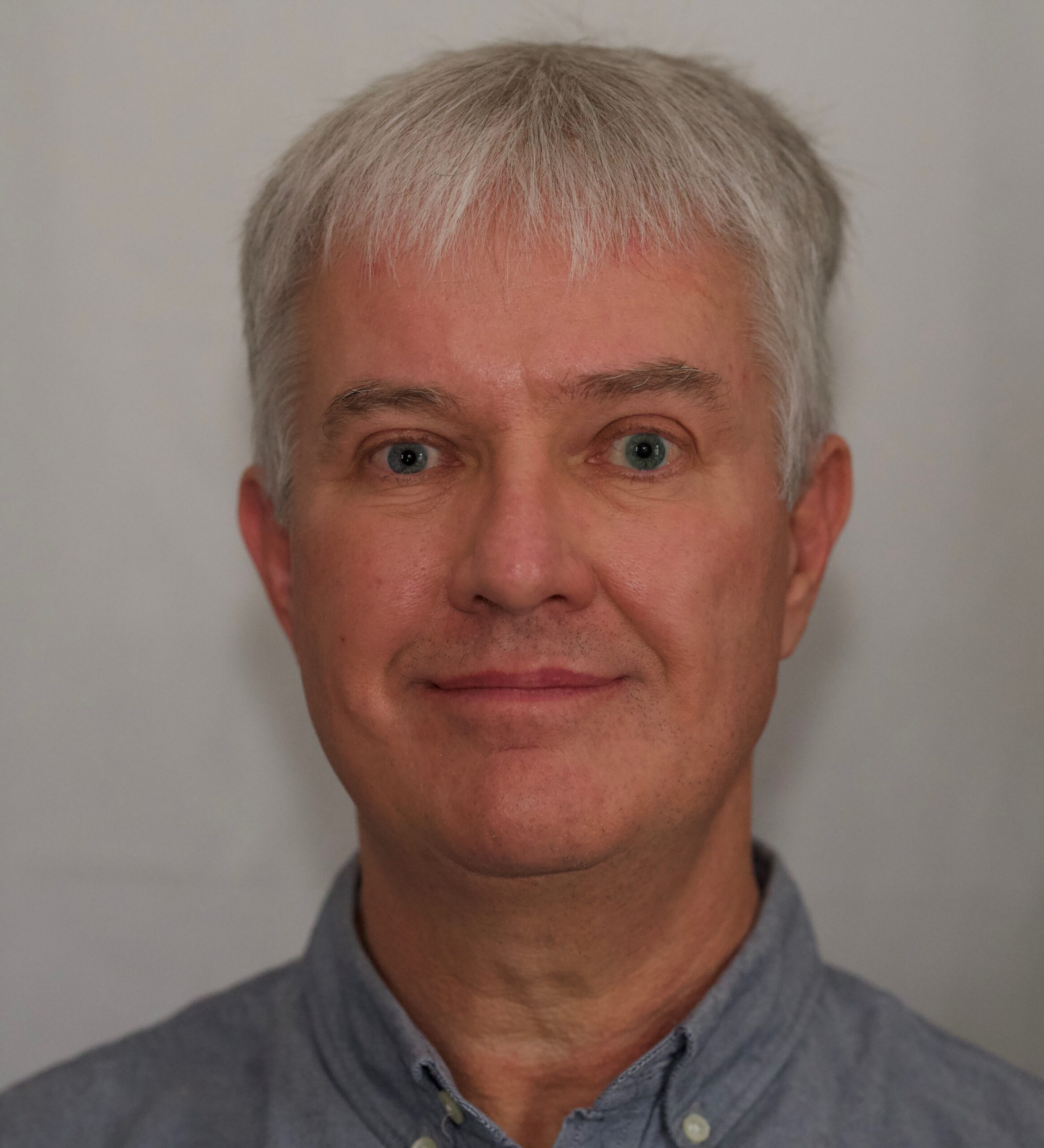
Coordinator
Jonathan Fisher
Speakers
Patrina Caldwell
Olufemi Olowookere
Osée Nkengurutse
PS_9: Advocacy
Title: Protecting the Vulnerable through Christian Advocacy in Today’s World
Both the Old and New Testaments reflect God’s concern for justice, especially for vulnerable populations. Both Testaments contain commands for us as His followers to protect the vulnerable in our respective spheres of influence. One prominent method of striving for biblical justice for the vulnerable is through advocacy, which involves engagement in the public square via legislative advocacy or public dialogues. This pre-conference stream will explore examples of Christian advocacy specifically aimed at protecting vulnerable populations such as the preborn, youth vulnerable to transgender ideology, those at the end of their lives vulnerable to assisted suicide/euthanasia, and conscience restrictions to practicing Hippocratic medicine.
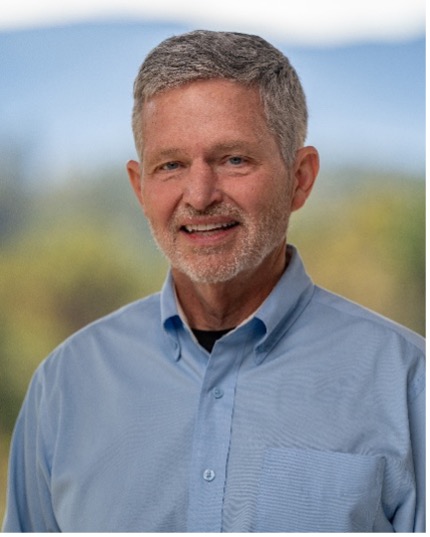
Coordinator
Jeff Barrows
Speakers
Dae-Young Lee
John Whitehall
Larry Worthen
Lois Miller
Calum Miller
Stream Schedule
Session 1- June 30, 2026: 16:30-18:00 (4:30 PM-6 PM)
- Topic- Introduction and overview of the Advocacy Stream
- Description- This initial session of the advocacy pre-conference stream will define advocacy and discuss why Christian healthcare professionals should be engaged in specific forms of advocacy, particularly regarding certain healthcare issues. Time will be allotted for discussion among audience members and Q&A.
- Speaker- Dr. Jeff Barrows
Session 2- July 1, 2026: 9:15-10:00 AM
- Topic- Advocating for improved healthcare access in low-resource countries
- Description-
- Speaker- Dr. Sara Varughese
Session 3- July 1, 2026: 10:30-11:45 AM
- Topic- Childhood Transgendering: Ideology or Science?
- Description- The session will discuss the lack of supportive evidence for gender transition therapy in minors and its impact on the changing approach to gender dysphoria in minors across Europe.
- Speaker- Dr. John Whitehall
Session 4- July 1, 2026: 14:00-16:00 (2-4 PM)
- Topic- Advocating for improved healthcare facilities, adequate salary for healthcare professionals, and against corruption in healthcare funding.
- Speaker- Dr. Sara Varughese
Session 5- July 1, 2026: 16:30-18:00 (4:30-6 PM)
- Topic- Protecting the vulnerable from assisted suicide and euthanasia
- Speaker- Larry Worthen, CMDA Canada
Session 6- July 2, 2026: 9:15-10:00 AM
- Topic- Protecting Conscience Freedoms
- Speaker-Lois Miller
Session 7- July 2, 2026: 10:30-11:45 AM
- Topic- Protecting preborn life across the globe
- Description- Abortion is one of the biggest issues faced by doctors and by countries, with an enormous global threat of underpopulation. Doctors can have disproportionate influence and genuinely shape national policy to save thousands of lives from abortion. This session will equip participants to advocate for pro-life ideas in the medical and policy spheres.
- Speaker- Dr. Calum Miller
PS_10: Christians in Healthcare Leadership
God wants us to be Leaders in Healthcare
Healthcare leadership is hard, and it is into this difficult and complex setting that we are called - to be "salt and light."
- God loves it when we shape culture using His Kingdom values.
This stream is for current and aspiring healthcare leaders and will: 1. Consider the theology of work, ‘public’ leadership and its value in God’s Kingdom. 2. Explore what we bring to healthcare leadership as Christians. 3. Discuss the tools God gives us to thrive as leaders. 4. Talk about the risks and challenges of being a Christian leader in healthcare. 5. Examine leadership challenges in different cultures and work through real-life leadership problems. 6. Give opportunity to pray and discuss with other healthcare leaders. 7. Inspire & equip you for your leadership role when you return home.
The Challenge of Healthcare Leadership
Healthcare leadership is hard wherever you are. There is rarely enough resource and how this is used can be influenced by competing interests. Some of these are good, some not so good - such as money, corruption, politics, or power…
Often, the patients who should be at the centre of all we do are not, and suffer again from a poorly functioning and poorly led service. At the same time, those trying to deliver care face unrealistic demands and blame. This leads to moral distress, burnout, and high staff turnover.
The Godly Imperative to be Christian Leaders in Healthcare
It is in this difficult and complex setting that we are called to live, work and contribute —to be "salt and light." Every day, healthcare leaders make many small ethical choices, along with some big ones, that can improve patient care, support staff, and change the culture for the better.
- God wants us to be involved in healthcare leadership.
- God delights when a team is led well, thrives and gives good care.
- We get God’s ‘well done’ when we stand up for truth and justice, show love and compassion, and extend grace.
- God loves it when we shape culture using His Kingdom values.
This Christians in Healthcare Leadership pre-conference stream will:
- Consider the theology of work, ‘public’ leadership and its value in God’s Kingdom.
- Explore the distinctives we bring to healthcare leadership as Christians.
- Discuss the tools God gives us to thrive as leaders.
- Talk about the risks and challenges of being a Christian leader in healthcare.
- Examine leadership challenges in different cultural settings.
- Work through real-life leadership problems and invite attendees to share their own experiences.
- Provide time and space to question and discuss with those currently working in healthcare leadership.
- Inspire and equip you for your leadership role when you return home.
Why include a Christians in Healthcare Leadership Stream as part of the World Congress?
This stream will support the congress theme “Building God's Kingdom amongst the broken” by creating a vision for Christians to be leaders in healthcare and enabling them to lead well as followers of Jesus in the places and contexts they are from. ICMDA is well placed to help equip healthcare professionals in this area. Including Christian Healthcare Leadership as a stream also has the potential to envision and equip national movements in this arena.
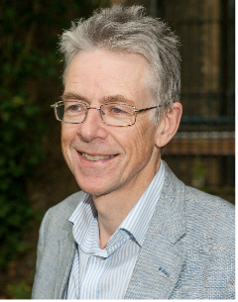
Coordinator
Chris Holcombe
Speakers
James Tomlinson
Dr.
Dr.
Dr.
Dr.
Stream Schedule
Day One Tuesday June 30th
Session One 16.30 – 1800
- 1a Meet and Greet – A wealth of experience in the room
God loves your work as a leader - 1b The theology of work and public leadership
- 1c The sacred secular divide and its impact
Day Two Wednesday July 1st
Session Two 09.15 – 10.00
- The 6 Ms- A Christian framework for showing and sharing Jesus in the workplace
Session Three 10.30 – 13.00
- 3a Coping as a Christian with the challenges of healthcare leadership
The Christian distinctives of Healthcare Leadership and tools for thriving - 3b Reading the Bible through workers eyes
Session Four 14.00 – 16.00
- 4a What are the leadership challenges in my culture?
Quick fire presentations followed by panel discussion
What do the scriptures say about these different challenges? - 4b My Leadership challenge – A Leadership MDT (Multi-disciplinary team)
A practical session - Bring your difficult leadership challenges
Session Five 16.30 – 18.00
- 5a Leadership styles
- 5b Servant Leadership
- 5c A non-anxious presence
Day Three Thursday July 2nd
Session Six 09.15 – 10.00
- 6a The pitfalls and risks of being a Christian in healthcare leadership
- 6b Opportunities of being a Christian in healthcare leadership
Session Seven 10.30 – 11.45
- 7a Conclusion
- 7b Commissioning